Kayme: A Whimsical Display Font for Makers
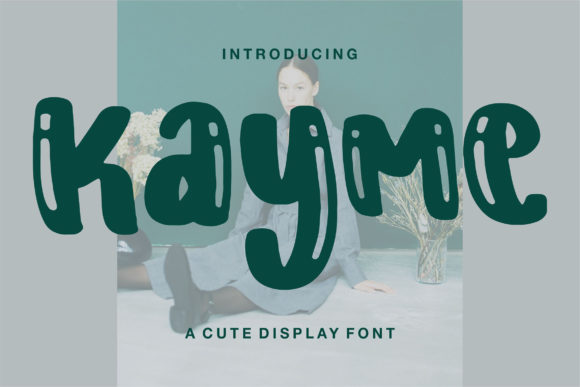
I was sitting at my craft table last Tuesday, surrounded by sheets of kraft paper label stock and a half-finished batch of lavender soy candles, trying to solve a persistent problem. The scent was perfect, the jar choice was elegant, but the branding felt flat. I needed a typeface that could bridge the gap between modern minimalism and the playful, handmade soul of my small business. That is when I opened up Kayme, an incredibly cool display font that instantly transformed my mockup from generic to gallery-worthy. With a modern yet whimsical style, this font has the potential to bring each of your creative ideas to the highest level, turning simple text into the centerpiece of your product design.
Creating Standout Candle Labels with Kayme Typography
When working with Fonts like Kayme for physical products, the first thing you notice is how the letterforms hold their own on small surfaces. For my candle labels, I needed something legible at 14 points but still bursting with personality. Kayme delivers exactly that balance. Because it is a Display category typeface, it shines brightest when used for titles, brand names, and short, punchy phrases rather than long paragraphs of ingredients or safety warnings. I paired the whimsical curves of Kayme with a clean, geometric sans serif font for the ingredient list, creating a professional hierarchy that guides the customer's eye. The result was a label that felt boutique and expensive, yet approachable and fun. If you are a maker selling home goods, using Kayme on your packaging can instantly elevate the perceived quality of your items, making them stand out on crowded Etsy search results or local market tables.
Designing Wedding Invitations and Event Stationery
Beyond product packaging, Kayme is a dream for stationery designers looking to add a touch of quirkiness to formal events. While traditional wedding invitations often rely on stiff serifs or overly formal scripts, modern couples are increasingly seeking modern typography that reflects their unique personalities. I recently tested Kayme on a set of "Save the Date" cards for a garden-themed wedding, and the whimsical style fit the organic vibe perfectly. It works beautifully as a header font, drawing attention to the names of the couple or the date of the event. Since Kayme is PUA encoded, which means you have access to all its glyphs and alternates without needing special software, you can easily customize ligatures and swashes to create one-of-a-kind monograms or decorative flourishes. This level of customization is crucial for invitation designers who need to offer bespoke services to their clients. Whether you are designing bridal shower games, welcome signs, or menu cards, this creative font adds a layer of charm that standard system fonts simply cannot match.
Elevating Digital Downloads and Printable Wall Art
For those of us who sell digital products, the visual appeal of our listing images is everything. When I started incorporating Kayme into my printable wall art designs, I noticed an immediate uptick in engagement on my shop listings. The font's playful nature makes it ideal for nursery decor, motivational quotes, and seasonal prints that need to feel warm and inviting. Because Kayme is a Display font, it renders crisply in high-resolution PDFs and JPEGs, ensuring that your customers get a premium product they can print at home or at a professional shop. It is particularly effective for short phrases and single-word art, where the shape of the letters becomes part of the illustration itself. When creating these design assets, remember to check the commercial font licensing included with your purchase to ensure you are covered for unlimited digital sales. Using Kayme in your digital templates allows buyers to see the potential for their own projects, whether they are making planners, journals, or custom greeting cards.
Branding Boutique Tags and Apparel with Kayme
Consistency is key in building a recognizable brand identity, and Kayme serves as a versatile anchor for various merchandise. I love using it for hang tags on clothing lines or tote bags sold at craft fairs. The font's distinct character ensures that even a small tag hanging from a shirt collar feels like a deliberate design choice rather than an afterthought. For apparel, Kayme works exceptionally well with heat transfer vinyl (HTV) when used with cutting machines like Cricut or Silhouette. The lines are thick enough to cut cleanly without weeding nightmares, yet detailed enough to look sophisticated. When applying Fonts like this to fabric, always test a small piece first to ensure the intricate parts of the whimsical style hold up during the pressing process. Furthermore, using Kayme across your social media graphics and website headers creates a cohesive visual language that helps customers recognize your shop instantly, whether they are viewing a post on Instagram or browsing your online store.
Maximizing Readability and Font Pairing Strategies
While Kayme is undeniably stylish, knowing when and how to use it is just as important as the design itself. As a display font, it is not intended for body text or long-form reading. Trying to force it into a paragraph of instructions or a lengthy product description will reduce readability and dilute its impact. Instead, treat Kayme as the star of the show, letting it handle the headlines while you support it with a neutral partner. A simple serif font works well for a classic, editorial look, while a bold sans serif keeps things modern and clean. If you are designing a complex layout, such as a magazine spread or a detailed packaging back-panel, use Kayme strictly for the title and pull-quotes. This strategy ensures that your creative font remains the focal point, drawing the eye in before the viewer settles into the finer details provided by your secondary typeface. Always preview your designs at actual size, especially for small stickers or labels, to confirm that the whimsical details remain clear and do not blur together when printed.
Unlocking Creative Potential with PUA Encoded Features
One of the most powerful aspects of Kayme for serious designers is its PUA encoding. This technical feature means that all the special characters, alternate glyphs, and decorative swashes are accessible directly through standard design software like Adobe Illustrator, Photoshop, or even user-friendly platforms like Canva (via upload). You do not need to be a coding expert to access these features; simply open the character map or glyph panel in your software to discover hidden gems within the font file. This allows for endless variation in your logo design and branding materials. You can create unique letter combinations for a business name or add a playful tail to a specific letter to match the curve of an illustration. For makers creating seasonal products, such as holiday tags or summer sale signs, these alternates allow you to refresh your look without buying new assets. By fully utilizing the capabilities of Kayme, you ensure that every piece of content you create feels fresh, custom, and perfectly aligned with your brand's voice.